Our Sustainable Materials & Mission

Not another sustainability page. This is what we actually do — with numbers.

United By Blue was built at the intersection of outdoor gear and environmental action. This is not a sustainability page that lists certifications in bullet points. It is the story of why UBB exists and how every material choice, packaging decision, and product sold connects to a measurable environmental outcome. Every claim here has a number or a verifiable action behind it.

1 lb Trash Removed Per Product
B Corp Certified
0 Plastic in Packaging
2 Premium Fiber Sources

The Waterway Cleanup Mission

1 product = 1 pound of trash removed from oceans and waterways.

This is not a carbon offset or abstract donation. It is physical, tangible action. UBB organizes and funds cleanup events in partnership with local communities across rivers, coastlines, and ocean-connected waterways. Since founding in 2010, we have removed over 4 million pounds of trash.

Every sock, every bag, every shirt — one pound of trash pulled from the water. No exceptions, no fine print.

Sustainability Impact at a Glance

Trash Removed
4M+ lbs
Cleanups Held
4,100+
Volunteers
300K+
Plastic Packaging
0%

Salvaged Bison Fiber

The problem: American bison ranchers produce fiber that was historically discarded as waste during meat processing. Perfectly good insulation material, thrown away or burned.

The solution: United By Blue sources this fiber and turns it into the warmest socks on the market. Bison down is approximately 2x warmer than sheep wool by weight, naturally hypoallergenic (zero lanolin), and available in quantities of only about 10,000 pounds per year globally.

This is waste prevention + supporting American ranchers + reducing demand for conventionally farmed wool. Every pair of bison socks represents fiber that would have been thrown away.

Learn the full bison fiber story →

Shop Bison Wool Socks

Sustainably Sourced Yak Wool

Yak down is naturally shed each spring — no shearing, no mulesing, no stress. Herding communities in the Himalayas and Central Asia collect the fiber by hand during shedding season.

Yak grazing is regenerative: yaks maintain grassland health by eating the tops of grasses without destroying root systems. This is the ecological opposite of cashmere goat farming, which has driven desertification across an estimated 76% of Mongolia's pasturelands.

Supporting traditional livelihoods in Himalayan and Central Asian communities. 40% warmer than merino, softer than cashmere, 66% more breathable.

Learn the full yak fiber story →

Shop Yak Wool Socks

B Corp Certification

B Corp certification means meeting the highest standards of verified social and environmental performance, public transparency, and legal accountability. This is not self-reported — it is third-party verified.

What it covers: governance, workers, community, environment, customers. Fewer than 1% of companies globally qualify.

Why it matters: anyone can say they are sustainable. B Corp proves it.

Zero-Plastic Packaging

UBB's commitment: eliminate plastic from all product packaging. Recycled cardboard, compostable mailers, paper tape. Zero polybags, zero plastic hang tags, zero blister packs.

From the moment a product ships to the moment it is in your hands, no plastic. Traditional sock packaging generates significant plastic waste — we chose to do it differently.

What “Sustainable” Actually Means to Us

We acknowledge that “sustainable” is overused and under-defined. Here is our framework:

Measurable Impact

Every product = 1 lb of trash removed. Not carbon offsets, not pledges. Physical action.

Responsible Sourcing

Salvaged bison fiber, sustainably shed yak wool, traceable supply chains.

Transparent Supply Chain

We tell you where our fibers come from and how they are processed.

Continuous Improvement

We are not perfect. We are actively working on Scope 3 emissions and full supply chain traceability.

Honesty builds trust. We name areas where we are still improving because sustainability is a journey, not a destination.

Frequently Asked Questions

Is United By Blue a sustainable brand?

Yes. UBB is a certified B Corp, removes 1 pound of trash from waterways for every product sold, uses salvaged bison fiber and sustainably sourced yak wool, and ships with zero-plastic packaging. Our sustainability claims are third-party verified.

What makes a sock sustainable?

Three things: responsibly sourced natural fibers (not synthetics that shed microplastics), ethical manufacturing, and plastic-free packaging. The fiber choice is the most impactful factor — it determines the environmental footprint of production, use, and end-of-life.

Are wool socks more sustainable than cotton socks?

Generally yes. Wool is naturally durable (lasts longer, fewer replacements), biodegradable, and requires fewer washes (naturally odor-resistant). The key variable is sourcing: responsibly sourced wool from ethical producers is significantly better than conventional cotton.

What certifications does United By Blue have?

UBB is a certified B Corp — one of the most rigorous third-party sustainability certifications available. Our products use sustainably sourced natural fibers, and our packaging is 100% plastic-free.

Shop With Purpose

Every purchase removes 1 pound of trash from waterways. Sustainably sourced fibers. Zero-plastic packaging.

Shop Sustainable Socks

In ten years of creating apparel, we’ve learned what works and what doesn’t. Our commitment to using sustainable materials doesn’t place fit and function on the back burner; on the contrary, our store is proof that you can create a great-fitting, long-lasting product with the exclusive use of materials that are environmentally and ethically sourced.

United By Blue Exclusive Materials

BisonShield™

Better for the Planet

The American bison’s shaggy coat consists of a layer of hollow, compact, and resilient hairs that allow them to keep warm and dry in some of the harshest climates on the planet. When we discovered the untapped potential of bison fiber, a material largely considered a waste product, we developed a supply chain that intercepts that material before it can be discarded. No bison have been harmed for the purpose of their fiber. We're simply stepping in to divert a precious, existing resource that's been grossly underutilized. 

Better for You

Whether used as insulation or as yarn, bison fiber comes with a host of benefits: it’s warm when wet, temperature regulating, flexible, hypoallergenic, moisture-wicking and lightweight. It's also one of the softest fibers we’ve ever come across.

SoftHemp™

Better for the Planet

Hemp is a hardy crop that can grow nearly anywhere, with a fraction of the water that cotton requires and none of the chemicals. It grows rapidly and needs only a small plot of land, making it a readily renewable resource that absorbs more carbon dioxide than trees. Furthermore, nothing is wasted in hemp’s production process: seeds are used to make oil and food supplements, while the stalks are transformed into a fiber. We take that fiber and mix it with other materials to create our signature SoftHemp™ yarn, a durable fabric that goes into our socks and other elevated basics. 

Better for You

Hemp has been used in textiles for centuries, and for good reason: it provides durability and breathability and biodegrades completely. Optimized to provide supreme comfort, our signature SoftHemp yarn has four times the durability of cotton without compromising the soft touch you want against your skin. 

EcoKnit™

Better for the Planet

Our EcoKnit™ collection is made up of better basics created from sustainable fabrics—hemp, organic cotton, modal and yak. These knits are manufactured in a GOTS- and OCS-certified factory, meaning their production meets the highest environmental and social standards, with materials that use less water than their conventional counterparts. 

Better for You

By using only natural and organic fibers, our EcoKnits keep the chemicals from pesticides and herbicides out of our oceans and off your skin. Their construction hits the sweet spot between durability and softness, giving you all-day comfort that will last from season to season, year to year. 

(R)evolution™

Better for the Planet

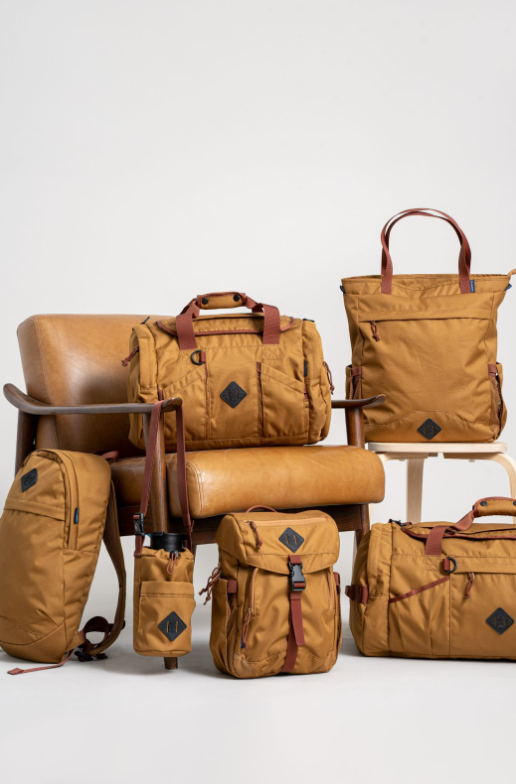
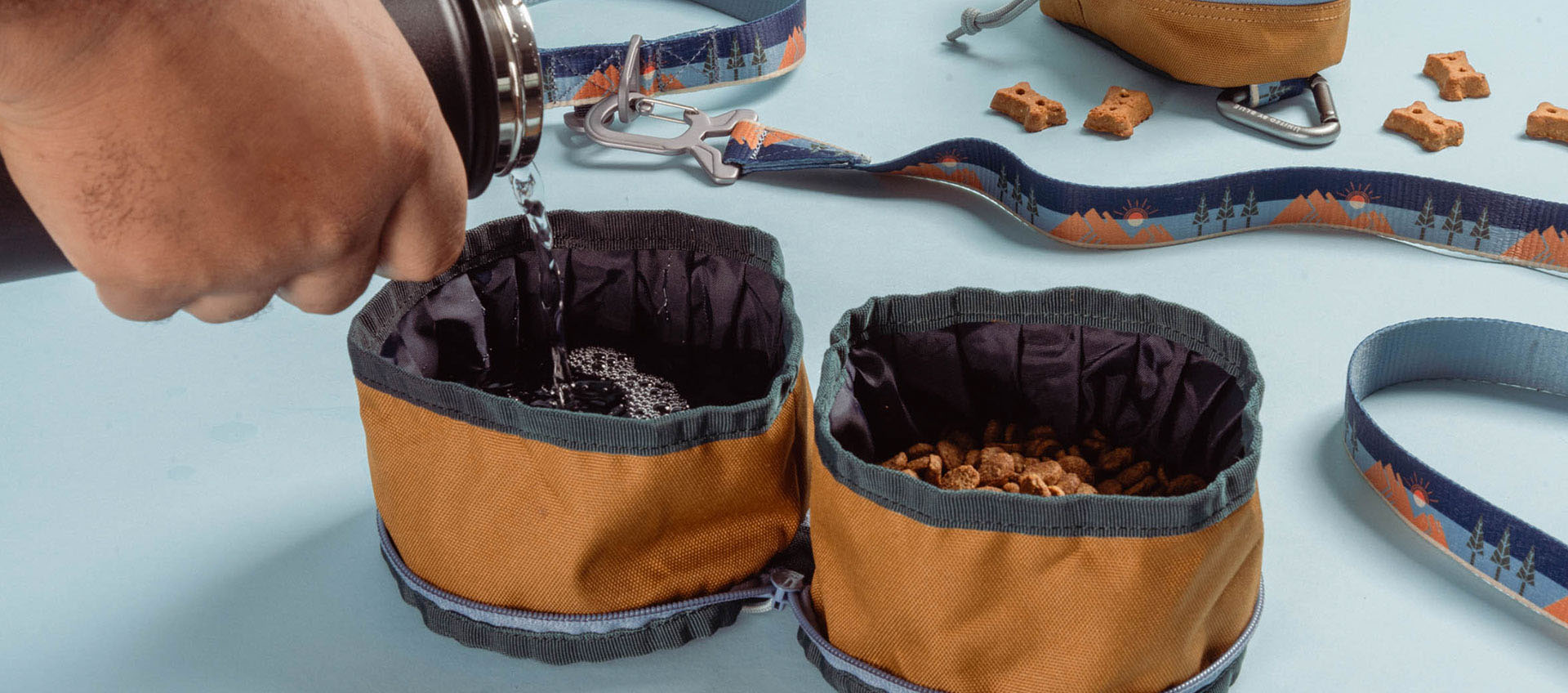
Our (R)evolution™ collection gives plastic water bottles a second life by transforming them into durable packs and pet accessories you’ll use for years. To source this recycled polyester fabric, we partner with a North Carolina-based factory that collects recycled plastic and transforms it into a durable, versatile yarn. This process diverts plastic from landfills and avoids the tapping of new resources. And because they don’t require washing, our (R)evolution products sustain daily wear and tear without shedding microfibers.

Better for You

We built our (R)evolution collection to be around for awhile; our pet accessories are woven with heavy-duty jacquard webbing, and our packs are not only water- and stain- resistant, they’re all equipped with a lifetime guarantee. 

SoftHemp™ Chambray

Better for the Planet


SoftHemp™ Chambray is our sustainable take on a classic weave. This lightweight fabric combines the best of organic cotton, hemp, and yak fiber to create a blend that works great in classically-cool apparel and leaves behind a substantially smaller footprint than alternative fabrics.  

Better for You

Optimizing organic cotton for comfort and hemp and yak fiber for structure, our SoftHemp™ Chambray is a lightweight fabric that stands up to everyday wear and tear. With a timeless weave and a versatile weight, it’s perfect for four-season comfort no matter the occasion.

Sustainable Materials

Hemp

Better for the Planet

Hemp is a hardy crop that can grow nearly anywhere, with a fraction of the water that cotton requires and none of the chemicals. It grows rapidly and needs only a small plot of land, making it a readily renewable resource that absorbs more carbon dioxide than trees. Furthermore, nothing is wasted in hemp’s production process: seeds are used to make oil and food supplements, while the stalks are transformed into a fiber. 

Better for You

Hemp has been used in textiles for centuries, and for good reason: it provides durability (hemp fiber is 10 times stronger than cotton) and breathability, and it biodegrades completely. It is also UV and mold-resistant, making it ideal for outdoor gear. But our favorite part? Hemp gets softer with each wear, making for apparel that’s only going to get better with washes. 

Organic Cotton

Better for the Planet

Organic cotton grows without the use of toxic chemicals, which means it doesn’t damage the soil, it has less impact on air, and it uses far less water and energy. Furthermore, we source our organic cotton from GOTS-certified factories, which give assurance that the material is produced and utilized in a manner that meets the strictest environmental and social standards. 

Better for You

When you buy organic cotton, you are investing in water conservation, cleaner air, better soil and healthier livelihoods. But the benefits don’t stop there. Conventionally grown cotton is one of the most toxic crops in the world, using about a quarter of the world’s insecticides every year. Some of these chemicals have been classified as carcinogenic to humans. Organic cotton is grown with no chemicals and no GMOs, which keeps the toxins out of our oceans and out of your closet. 

Recycled Polyester

Better for the Planet

Recycled polyester gives you the same technical performance you get in virgin polyester, with a vastly smaller footprint. What’s more, it can be recycled again and again, without significantly degrading in quality. It provides a valuable use for post-consumer and post-industrial plastic (which may otherwise end up floating endlessly in our oceans), and weakens our dependency on petroleum as the raw material for our apparel needs.  

Better for You

It takes somewhere around nine bottles to make a t-shirt. Those bottles are shredded into flakes, melted into pellets, spun into a yarn, and then knitted into apparel. The result is a t-shirt that contains all the benefits that makes polyester the fashion industry’s favorite material: it’s lightweight, versatile, water-repellant and durable.

Corozo

Better for the Planet

Corozo (which is sometimes called ‘vegetable ivory’ because of its resemblance to real ivory) comes from the nut of the Tagua Palm, which grows in the rainforests of Central America. Just one tree can produce up to 50 pounds of nuts in a year, and they’ll do so for over a century! Because these nuts not only grow on trees, they also fall from the trees, they are a renewable and sustainable material that diminishes the need to cut down rainforests. What’s more, they are 100% biodegradable. 

Better for You

Because of its environmental benefits, corozo is becoming an increasingly common option for buttons, jewelry, chess pieces, and more. We like using it in our products because it's 100% natural, meaning there are no dyes or chemicals used in its production. The buttons are washable, highly durable, and impact resistant—they will not scratch or splinter. 

Modal

Better for the Planet

Modal is made with the inner pulp of beech trees. It grows using rainwater, is produced using only chemical-free spinning and dying, and leaves no toxic discharge. Because these trees grow naturally and produce a yield that is 10 times higher than raw cotton, modal is a much more sustainable resource than many other fabrics. And it’s completely biodegradable, which means that any clothing made with modal can return to the earth in your lifetime.

Better for You

Modal is often billed as a cotton alternative, because it’s a breathable and absorbent fabric that goes well in apparel you put against your skin: pajamas, underwear, bathrobes and bedsheets. However, we’d argue that it’s even softer than cotton; it’s one of the softest materials we’ve ever put in our clothes. It also helps apparel look new longer, because the strength of modal’s plant fibers keep the fabric from fading from detergent or sun. 

Wool

Better for the Planet

Wool has been used in apparel for ages, and as a sheep’s coat, it is a renewable resource that doesn’t require the killing of an animal. Furthermore, sheep are relatively low-impact animals, because they can eat just about anything and live just about anywhere. Their wool is biodegradable, breathable and highly versatile.

Better for You

Woolen clothing creates little pockets of air, which functions as a natural form of insulation. In cold weather, wool helps you stay warm, and in warmer temperatures, it helps you stay cool. Wool doesn’t collect moisture, so it doesn’t attract mold or bacteria. We like using it a range of clothing because despite being very lightweight, it is one of the strongest materials on the market. It lasts longer than cotton and is much more resistant to tears. 

Tencel™

Better for the Planet

Tencel™ is a brand name for lyocell, which is a cellulose fiber derived from the pulp of fast-growing trees—most commonly eucalyptus or beech trees. In its production process, lyocell requires far less energy and water than cotton, and it because it’s so absorbent, it also requires a lot less dye than other fabrics. 

Better for You

Tencel™ is a great material for active wear—it’s lightweight and cool to the touch, it reduces body temperature and resists bacterial growth, and it can absorb three times its body weight in moisture, which is significantly more than that of polyester or cotton. 

SELECT A SIZE & COLOR: